Buying guide
Kinusaiga kits: what is inside and how to choose one
What a Kinusaiga kit contains, the two kinds of kits, a checklist before you buy, kits for children and gifts, and when it is cheaper to build your own kit.
About 7 minutes
A kit is the quickest way to try Kinusaiga at home. The board, fabric and tools arrive together and the design is already planned, so the first evening is spent tucking fabric instead of shopping. Kits differ a lot, though: some include everything down to the frame, others are a board and a knife without a single piece of fabric. If you would rather learn with a teacher, see the Kinusaiga workshops near you.
This guide explains what to look for. The kits mentioned below are examples of each type. We describe them from their product listings; check the contents on the listing before you order, because sellers change them.
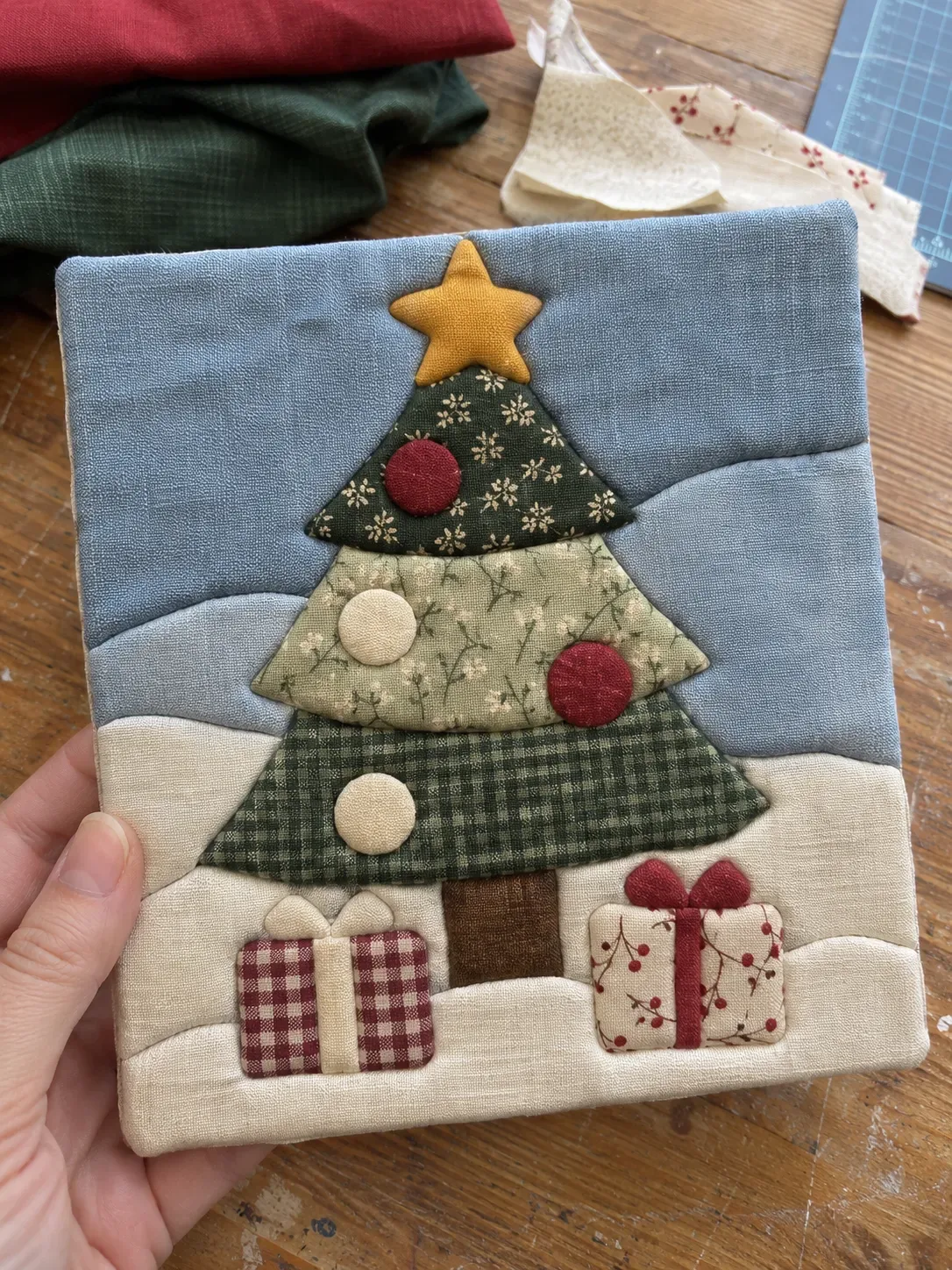
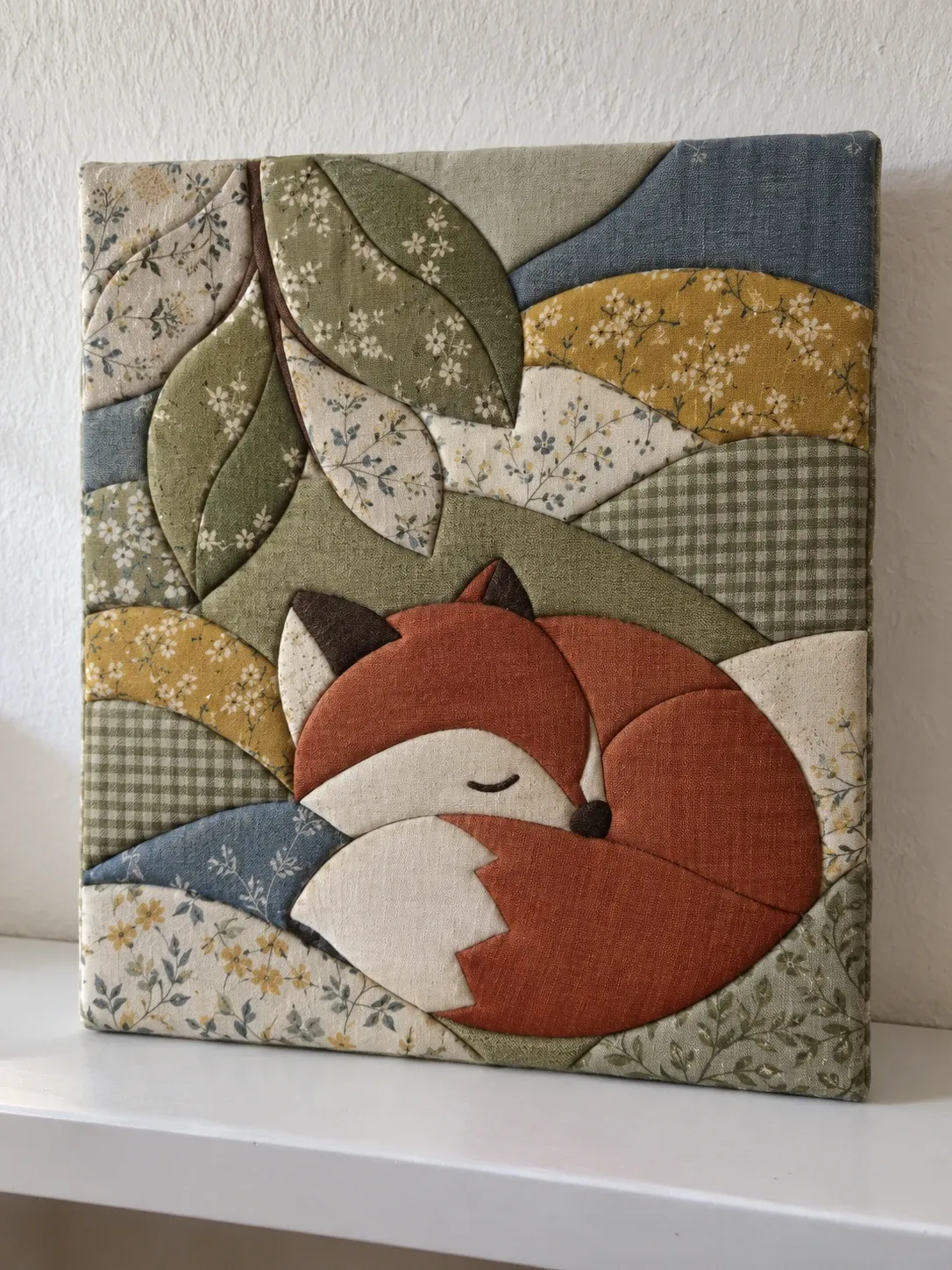
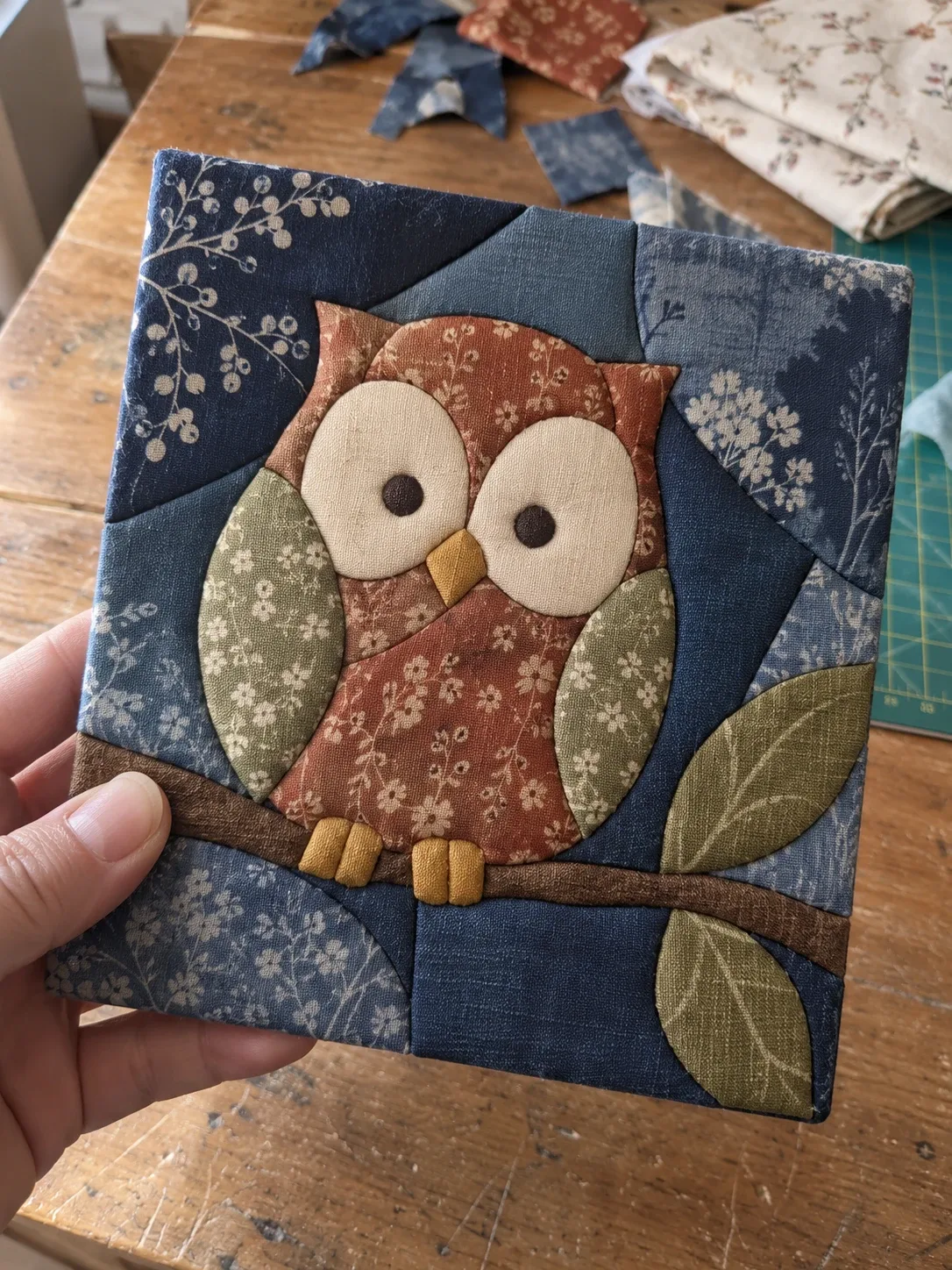
What a Kinusaiga kit usually contains
| Part | What to check |
|---|---|
| Foam board | Printed design or a pattern to trace; about 1 inch thick holds the fabric best |
| Fabric | Included or not, and whether the pieces are large enough with an allowance |
| Craft knife | Spare blades help; a dull blade tears the foam |
| Tucking tool | Blunt and smooth; a seam ripper works if the sharp point never faces the cloth |
| Adhesive sheet | Common in newer kits; holds broad areas flat |
| Frame | Nice for gifts; deep enough for the board? |
| Instructions | Pictures matter more than text, especially for kits with translated instructions |
Two kinds of kits
Both lead to the same kind of picture. If you want to move on to your own designs later, a classic kit is the better teacher. If the kit is a gift for someone who wants a relaxing evening and a neat result, an adhesive kit is more forgiving.
A checklist before you buy
- Size: 6 to 8 inches is ideal for a first picture. Larger boards take several evenings.
- Number of pieces: large, simple shapes are easier than many tiny pieces. Look at the photo of the design, not only the finished picture.
- Fabric included: some budget sets have none. That is fine if you have scraps; otherwise add a fabric bundle.
- Frame: worth it for a gift. For practice you can frame later.
- Several projects: sets with three or four small boards let you practise before the picture you care about.
- Reviews with photos: they show the real fabric colours and how the finished piece looks.
Examples by type
Kinusaiga kits as a gift
A framed kit is a good present for someone who likes quilting, embroidery or paint by numbers: it needs no sewing machine and is finished in one or two evenings. Add a small pair of fabric scissors and a few extra fabrics, and the gift becomes the start of a new hobby. For Christmas, a winter or holiday design can be hung as soon as it is finished; our free Christmas patterns are a good next project.
When to build your own kit instead
A kit is the cheapest way into one picture. From the second or third picture on, your own materials cost less per piece and you can choose any design: free printable patterns, or a pattern made from your own photo with the pattern creator. You need a 1 inch foam board, a craft knife, a tucking tool, small scissors and a fabric bundle. The supply list explains each part.
Fabric bundles that work well
Thin, tightly woven quilting cotton with small prints is easiest. Bundles save you from buying a metre of each colour. A few that suit Kinusaiga:
Kit contents and prices change. The descriptions above follow the product listings at the time of writing (November 2026).
Frequently asked questions
What is in a Kinusaiga kit?
Usually a foam board with the design printed on it or a pattern to trace, precut or uncut cotton fabric, a craft knife, a tucking tool and the instructions. Larger kits add a wooden frame; small budget sets often leave out the fabric.
Is a Kinusaiga kit good for beginners?
Yes. A kit removes the two hardest decisions for a first project: which board to buy and which fabrics go together. Choose a small design of about 6 to 8 inches with large shapes and few tiny pieces.
Are Kinusaiga kits suitable for children?
Children from about eight can tuck fabric with a blunt tool, but the craft knife is for adults. Pick a kit whose grooves are already cut or let an adult cut the lines before the child starts.
Is it cheaper to make your own Kinusaiga kit?
For one picture a kit is usually cheaper. From the second or third picture on, your own board, knife, tucking tool and a fabric bundle cost less per picture, and free printable patterns cover the design.
What is the difference between a grooved kit and an adhesive kit?
In a classic kit you cut grooves along the lines and tuck the fabric edges into them. Many newer kits add a printed double-sided adhesive sheet on the board: you peel one section, press the fabric on and tuck the edges. The adhesive keeps large areas flat but makes repositioning harder.
Ready to make something
Turn your own image into a printable pattern
Upload an image and let the generator prepare the color areas, numbered pieces and print layout.
Create a pattern